
















Picture this: You’re lying awake at 2 AM, heart racing from absolutely nothing. Your mind churns through tomorrow’s meetings, last week’s awkward conversation, and that thing you said in 2012. Sound familiar?
This midnight spiral isn’t just exhausting. It’s your body’s ancient alarm system misfiring in our modern world. While our ancestors needed that surge of cortisol to escape predators, we’re triggering the same response over inbox notifications and traffic jams. The result? Chronic anxiety that feels impossible to shake.
Here’s what I’ve learned after years of working with athletes who face pressure most of us can’t imagine: anxiety isn’t just “in your head.” It’s a full-body experience rooted in real biochemical imbalances. And sometimes, the solution isn’t another meditation app or breathing exercise. Sometimes your body simply needs the right raw materials to function properly.
The Natural Supplement Revolution
The conversation around anxiety has shifted dramatically. Where pharmaceutical interventions once dominated, we’re seeing a surge of interest in nutritional psychiatry, the science of using nutrients to support mental health. This isn’t about replacing medical treatment. It’s about understanding that anxiety often signals deeper nutritional deficiencies our stressed bodies can’t overcome through diet alone.
What makes this approach so compelling? It works with your body’s existing systems rather than overriding them. What we’ve discovered at fourfive, working alongside elite athletes and sports scientists, is that targeted supplementation can provide the biochemical support your nervous system desperately needs. These aren’t miracle cures or quick fixes. They’re tools that work with your body’s natural processes.
1. Magnesium: The Master Mineral
Think of magnesium as your nervous system’s brake pedal. When you’re deficient (and studies suggest up to 75% of us are), it’s like driving with faulty brakes. Everything feels more intense, more urgent, more overwhelming.
How does this actually work in your brain? Magnesium regulates GABA, your brain’s primary calming neurotransmitter. Without enough magnesium, GABA can’t do its job properly. The result? That wired-but-tired feeling where you’re exhausted but can’t relax.
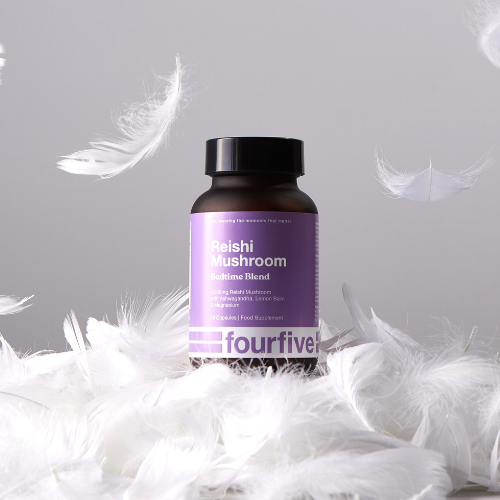
I’ve found magnesium glycinate works best for anxiety. Unlike other forms that can cause digestive issues, glycinate crosses the blood-brain barrier efficiently. Start with 200-400mg before bed. You’ll likely notice better sleep first, then a gradual easing of daytime tension over 2-3 weeks.
Research from the University of Vermont found that adults with the highest magnesium intake had a 22% lower risk of depression. That’s not a small effect. It’s comparable to some antidepressants.
2. Ashwagandha: Ancient Wisdom Meets Modern Science
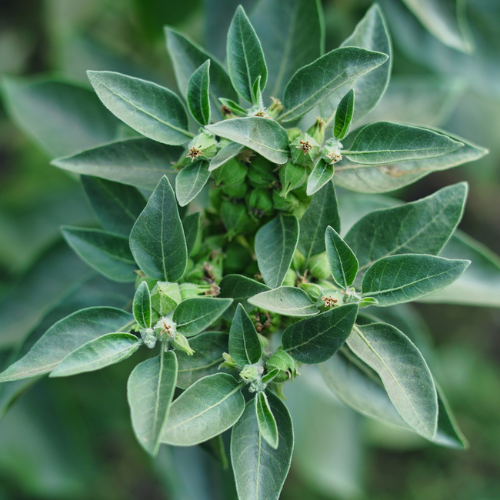
Ashwagandha sounds exotic, but it’s simply a shrub that’s been used in Ayurvedic medicine for 3,000 years. What makes it special is its classification as an adaptogen, a substance that helps your body adapt to stress.
What exactly does “adapting to stress” mean? Here’s the thing: adaptogens don’t sedate you or artificially boost your mood. They help normalize your stress response. When cortisol spikes, ashwagandha helps bring it down. When you’re depleted, it helps restore balance.
A 2019 study in Medicine found that 240mg of ashwagandha daily reduced cortisol levels by up to 30% and anxiety scores by 41%. Those aren’t placebo effects. That’s measurable biological change.
The sweet spot seems to be 300-600mg of standardized extract daily, taken with food. Give it 6-8 weeks. Adaptogens work slowly, rewiring your stress response patterns rather than masking symptoms.
3. L-Theanine: Calm Without the Crash
Ever notice how green tea relaxes you without making you drowsy? That’s L-theanine at work. This amino acid increases alpha brain waves, the same ones that appear during meditation.
Why does this matter for your anxiety? L-theanine is fascinating because it promotes relaxation while maintaining alertness. You stay sharp but lose the edge. Athletes use it before competitions. Students take it before exams. It’s anxiety relief that doesn’t compromise performance.
The research is compelling. A Japanese study found that 200mg of L-theanine reduced stress-related symptoms and improved cognitive function during challenging tasks. Participants reported feeling calmer but more focused, exactly what you want when anxiety strikes during important moments.
Most people find 100-200mg effective, especially when combined with caffeine (they work synergistically). The effects kick in within 30-60 minutes, making L-theanine perfect for acute anxiety situations.
4. Vitamin B Complex: The Mood Makers
B vitamins don’t get the attention they deserve. These eight water-soluble vitamins are essential for producing neurotransmitters like serotonin and dopamine. Miss one, and your mood regulation system starts to sputter.
Which B vitamin matters most for anxiety? B6, in particular, is crucial. It helps convert tryptophan to serotonin, your brain’s happiness chemical. B12 supports nerve function and energy production. Folate (B9) is so important for mood that doctors check levels in depression patients.
Here’s the catch: stress depletes B vitamins rapidly. Alcohol, caffeine, and processed foods make it worse. So even if your diet looks good on paper, chronic anxiety might be burning through your reserves faster than you can replenish them.
A high-quality B-complex supplement provides insurance. Look for activated forms like methylfolate and methylcobalamin. They’re better absorbed. Take them in the morning with food; they can be energising.
5. CBD: The Controversial Calm
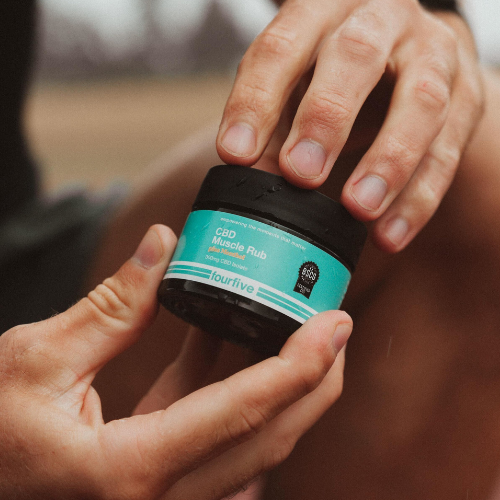
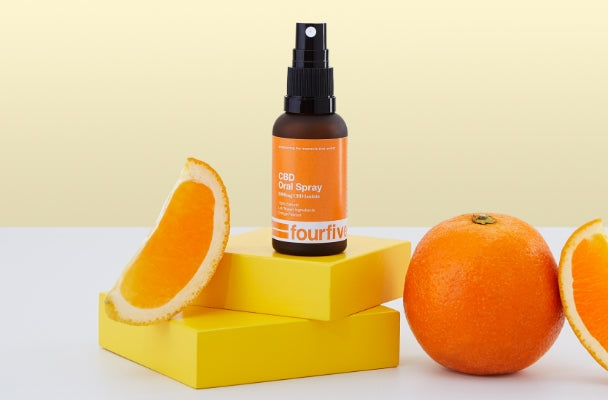
CBD remains controversial, but the science is increasingly clear: it has genuine anti-anxiety properties. Unlike THC, CBD doesn’t get you high. It works through the endocannabinoid system, which regulates mood, sleep, and stress response.
What kind of anxiety responds best to CBD? What we’ve learned from working with athletes is that CBD shines for physical manifestations of anxiety. Muscle tension, restlessness, that tight chest feeling. It’s particularly effective for social anxiety and performance anxiety.
A 2019 study in The Permanente Journal found that 79% of patients experienced decreased anxiety with CBD, with effects sustained over several months. Doses ranged from 25-175mg daily.
Quality matters enormously with CBD. Third-party testing is non-negotiable. Start low (10-20mg) and increase gradually. Some people respond to tiny doses; others need more. Pay attention to how you feel, not what the bottle suggests.
The Synergy Secret
Here’s something most articles won’t tell you: these supplements work better together. Magnesium enhances GABA function. B6 helps your body use magnesium. Ashwagandha and L-theanine complement each other beautifully.
Does this mean you should take everything at once? Absolutely not. Start with magnesium, it’s foundational. Add one supplement at a time, observing effects for at least two weeks before introducing another. This way, you’ll know what’s working.
Safety First
Natural doesn’t mean harmless. Ashwagandha can interact with thyroid medications. High-dose B6 can cause nerve issues. CBD affects how your liver processes certain drugs.
Always consult your healthcare provider, especially if you’re on medication. Start with the lowest effective dose. Monitor how you feel. And remember: supplements support but don’t replace professional mental health care.
Beyond the Bottle
Supplements provide the raw materials, but they’re not the whole story. Want to maximise their impact? Pair them with lifestyle changes. Regular exercise, consistent sleep, and limiting alcohol amplify supplement benefits.
I’ve seen athletes transform their anxiety by combining targeted supplementation with basic lifestyle changes. Not overnight miracles, but gradual, sustainable improvements that compound over time.
The Path Forward
Anxiety tells us something needs attention. Sometimes it’s unresolved trauma or chronic stress that requires therapy. But sometimes, it’s simply your body crying out for nutrients modern life has depleted.
The right supplements can provide the biochemical foundation for calmer days and restful nights. They won’t solve everything, but they might give you the stability to address what really needs changing.
The key is approaching supplementation strategically, not desperately. Quality matters. Patience matters. And most importantly, listening to your body matters. Because ultimately, reducing anxiety isn’t about suppressing symptoms. It’s about supporting your body’s natural ability to find balance.
