













Picture This: Your Muscles After Yesterday’s Workout
The alarm goes off at 6:30 AM. You reach for your phone, and that familiar ache shoots through your shoulders. Your legs protest as you swing them out of bed. Yesterday’s training session was brutal, exactly what you needed, but now your body’s writing checks your recovery can’t cash.
Sound familiar? We’ve all been there.
This is where CBD oils enter the conversation. Not as another miracle cure or wellness buzzword, but as a legitimate tool in your recovery arsenal. What we’ve learned from working with professional athletes and weekend warriors alike is that muscle recovery isn’t just about rest. It’s about giving your body the right support at the cellular level.
The Science Behind the Soreness
Your muscles don’t just hurt because you worked hard. When you exercise intensely, you create microscopic tears in muscle fibers. Your body responds with inflammation, a natural healing process that brings nutrients and removes waste products. But here’s the thing: sometimes that inflammatory response goes into overdrive.
Think of it like calling the fire department for a small kitchen fire, and they show up with five trucks instead of one.
So what’s actually happening at the cellular level? CBD works by interacting with your endocannabinoid system (ECS), a complex network of receptors throughout your body that helps regulate everything from pain perception to immune response. According to research published in Frontiers in Neurology, CBD can modulate these receptors to dial down excessive inflammation without shutting off the healing process entirely.
The basic gist is this: CBD doesn’t mask pain like traditional painkillers. It addresses the underlying inflammatory cascade that causes both soreness and delayed recovery.
Five Ways CBD Oils Transform Recovery
1. Inflammation Modulation Without the Side Effects
Traditional NSAIDs like ibuprofen work by blocking COX enzymes that produce inflammatory compounds. CBD takes a different approach. It influences multiple pathways simultaneously, reducing pro-inflammatory cytokines while preserving the beneficial aspects of inflammation needed for adaptation.
Why does this matter for your gut health? Athletes who switch from NSAIDs to CBD often report feeling less “foggy” and experiencing fewer digestive issues. No surprise there. Your gut lining stays intact when you’re not constantly bombarding it with enzyme inhibitors.
2. Pain Signal Interruption at the Source
CBD doesn’t just reduce inflammation; it actually changes how pain signals travel through your nervous system. By activating TRPV1 receptors (the same ones that respond to heat and capsaicin), CBD essentially “distracts” your nervous system from pain signals.
One of our ambassadors described it perfectly: “It’s not that the soreness disappears completely. It’s more like someone turned down the volume on it.”
3. Enhanced Sleep Quality for Overnight Recovery
Here’s something most people miss: CBD’s impact on sleep might be its most powerful recovery benefit. During deep sleep, your body releases growth hormone and performs critical muscle repair. But pain and inflammation can fragment your sleep cycles.
How exactly does CBD help you sleep better? It regulates your sleep-wake cycle through its interaction with serotonin receptors. Better sleep means more complete recovery cycles. More complete cycles mean you’re actually ready for tomorrow’s session, not just pushing through it.
4. Reduced Muscle Spasms and Tension
Ever had your calf cramp at 2 AM? Or felt your back seize up after deadlifts? CBD’s muscle-relaxant properties come from its ability to increase GABA activity, your body’s primary inhibitory neurotransmitter.
This isn’t about feeling loose or lazy. It’s about maintaining optimal muscle tone without unnecessary tension that impedes recovery and increases injury risk.
5. Antioxidant Protection Against Exercise-Induced Stress
Exercise creates oxidative stress. That’s normal and even beneficial in small doses. But intense training can overwhelm your antioxidant defenses. CBD acts as a potent antioxidant, neutralizing free radicals that would otherwise damage muscle tissue and slow recovery.
The Delivery Method Matters
Not all CBD applications are created equal. Let me break down what actually works:
Sublingual oils hit your bloodstream in 20-30 minutes. Hold them under your tongue for 60 seconds before swallowing. This is your go-to for systemic effects: overall inflammation reduction, better sleep, general recovery support.
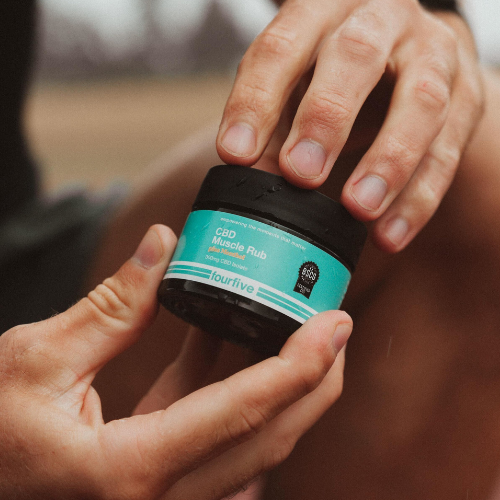
Topical applications work within 5-10 minutes but only affect the local area. Perfect for that specific knot in your shoulder or persistent knee ache. The CBD doesn’t enter your bloodstream significantly, so you can use these liberally without worrying about systemic effects.
Capsules and edibles take longer (up to 90 minutes) but last 6-8 hours. These work well for overnight recovery or managing day-long soreness after particularly intense sessions.
Real-World Application: A Recovery Protocol
Here’s how to structure CBD use around training:
Pre-workout (optional): 10-15mg sublingual oil 30 minutes before training can reduce anticipatory tension and improve mind-muscle connection.
Immediately post-workout: Apply topical CBD to worked muscle groups while they’re still warm and blood flow is elevated.
Evening: 20-30mg sublingual oil 1-2 hours before bed to support sleep and systemic recovery.
Rest days: Lower dose (10-15mg) to maintain baseline anti-inflammatory effects without building tolerance.
What’s the right dose for you? Start with these amounts and adjust based on your response. Some people need more, others less. Your endocannabinoid system is as unique as your fingerprint.
The Safety Question Everyone Asks
Let’s address the elephant in the room. Is CBD safe? Will it show up on a drug test?
CBD itself is non-psychoactive and legal in the UK when derived from hemp containing less than 0.2% THC. The World Anti-Doping Agency removed CBD from its prohibited list in 2018. But (and this is crucial) THC remains banned.
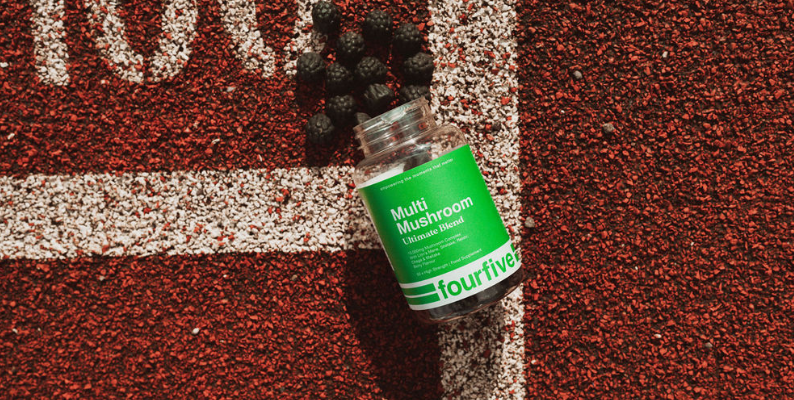
So how do you ensure you’re getting clean product? Quality matters immensely. Third-party tested products ensure you’re getting pure CBD without THC contamination. At fourfive, every batch goes through rigorous testing. We’re athletes ourselves. We get it.
Side effects are generally mild: dry mouth, slight drowsiness at higher doses, possible interactions with certain medications. Always consult your healthcare provider if you’re on prescription meds or have underlying health conditions.
Beyond the Hype: What CBD Can’t Do
CBD isn’t magic. It won’t replace proper nutrition, adequate hydration, or structured training periodisation. You still need to foam roll, stretch, and occasionally take actual rest days.
What CBD offers is an additional tool, one that works with your body’s natural systems rather than against them. It’s the difference between forcing recovery and facilitating it.
The Economics of Recovery
Consider this: the average athlete spends hundreds on massage, physical therapy, and recovery gadgets. A month’s supply of quality CBD oil costs less than a single deep tissue massage. Yet it provides daily support rather than weekly intervention.
Does this mean ditching your massage therapist? Not at all. It’s about creating a comprehensive recovery strategy that doesn’t break the bank or your body.
Moving Forward
In short, CBD oils offer a scientifically-backed, athlete-tested approach to muscle recovery and relaxation. They work by addressing inflammation at its source, modulating pain signals, improving sleep quality, and protecting against oxidative stress.
The key is finding the right product, dose, and timing for your specific needs. Start low, track your response, and adjust accordingly. Recovery isn’t just about bouncing back, it’s about coming back stronger. And sometimes that means giving your body tools it can actually use, not just promises it can’t keep.
