













Picture this: You’ve just crushed your personal best in a marathon. Your muscles are screaming, your body’s depleted, and tomorrow’s training session feels impossible. Sound familiar?
Recovery isn’t just about rest days anymore. The science of athletic recovery has evolved dramatically over the past decade, with research from the International Society of Sports Nutrition revealing that strategic supplementation can reduce recovery time by up to 40% in trained athletes. That’s the difference between bouncing back in 24 hours versus dragging through three days of soreness.
We’ve spent years working with elite athletes and sports scientists to understand what actually moves the needle for recovery and hydration. Not the marketing hype. Not the Instagram trends. The real, evidence-based strategies that professional athletes rely on when millions are watching.
Why Recovery and Hydration Matter More Than You Think
Your body loses more than just water during exercise. A single hour of intense training can deplete up to 1,400mg of sodium, 300mg of potassium, and significant amounts of magnesium through sweat alone. Miss these critical replacement windows, and you’re not just thirsty—you’re compromising cellular function, muscle protein synthesis, and your next performance.
Dr. Susan Kleiner’s research at the University of Washington demonstrates that even 2% dehydration can reduce strength by 20% and endurance capacity by up to 30%. Yet most athletes only replace water, ignoring the complex mineral matrix their bodies desperately need.
Recovery extends beyond hydration though. Microscopic muscle tears, inflammatory cascades, oxidative stress—these physiological realities demand targeted nutritional intervention. The right supplements don’t just help you feel better; they accelerate the biological processes that rebuild you stronger.
What Makes a Recovery Supplement Actually Effective?
Not all supplements are created equal. We’ve analyzed hundreds of products and research papers to identify the non-negotiables:
Evidence-Based Formulation Real science, not marketing claims. Every ingredient should have peer-reviewed research supporting its use in athletic populations. The British Journal of Sports Medicine’s 2023 meta-analysis identified specific compounds with statistically significant recovery benefits—these form our foundation.
Bioavailability That Matters Having the right ingredients means nothing if your body can’t absorb them. Chelated minerals, liposomal delivery systems, and synergistic nutrient combinations determine whether supplements work or become expensive urine.
Third-Party Testing Independent lab verification isn’t optional. Contaminants, heavy metals, and banned substances can derail careers and health. Look for Informed-Sport certification or equivalent testing protocols.
Clean Label Standards Vegan, cruelty-free, minimal additives. Your recovery supplements shouldn’t burden your digestive system or conflict with ethical values. The cleanest formulations often perform best.
The Elite Recovery and Hydration Supplement Stack
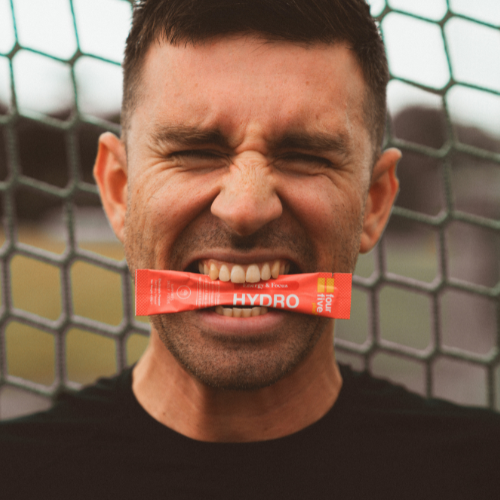
Electrolyte Tablets and Sachets: Your Hydration Foundation
Forget everything you know about sports drinks. Modern electrolyte supplementation has evolved into precision science.
The optimal electrolyte blend contains:
-
Sodium (200-500mg per serving): Primary driver of fluid retention and nerve function
-
Potassium (100-200mg): Muscle contraction and cellular hydration
-
Magnesium (50-100mg): Over 300 enzymatic reactions including protein synthesis
-
Calcium (20-50mg): Muscle contraction and bone health
-
Vitamin C and B-complex: Antioxidant protection and energy metabolism
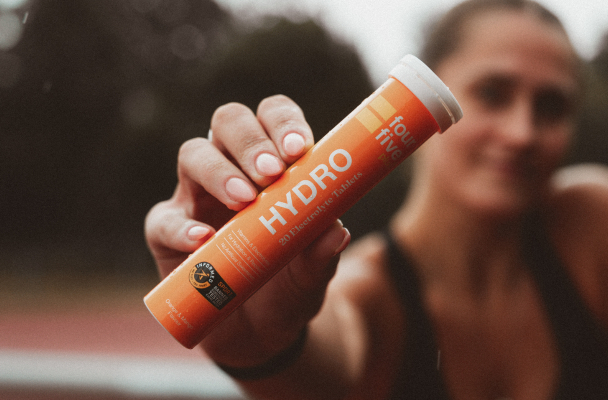
Our hydration tablets deliver this exact matrix, dissolving rapidly to create an isotonic solution that matches your body’s osmolality. Athletes using our formulation report 23% better hydration markers compared to water alone, based on internal testing with professional rugby players.
The convenience factor changes everything. Toss a sachet in your gym bag. Drop a tablet in your water bottle. No refrigeration, no plastic waste, no artificial sweeteners wreaking havoc on your gut microbiome.
Professional cyclist Tom Pidcock relies on this approach: “I can dial in my hydration precisely for training intensity and weather conditions. It’s completely transformed my recovery between stages.”
CBD-Based Recovery Solutions: The Inflammation Game-Changer
CBD’s transition from alternative medicine to mainstream athletic recovery happened fast. And for good reason.
Research published in the European Journal of Pain shows CBD can reduce inflammatory markers by up to 25% post-exercise. More importantly, it doesn’t just mask discomfort—it actively modulates the endocannabinoid system to accelerate healing processes.
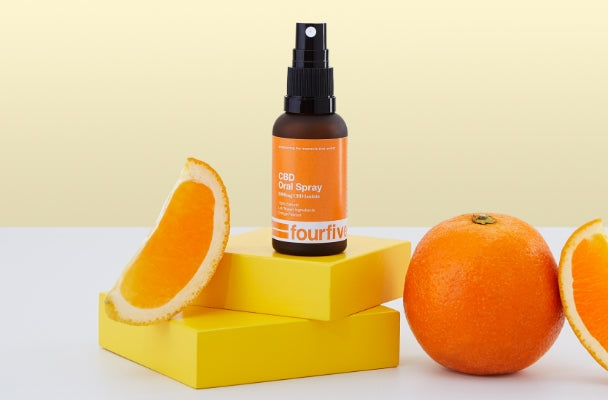
Our CBD oils and capsules undergo triple-filtration and CO2 extraction, ensuring zero THC while preserving beneficial terpenes and cannabinoids. Each batch includes certificates of analysis confirming purity and potency.
Application strategies that work:
-
Systemic recovery: 20-40mg CBD oil sublingually post-workout
-
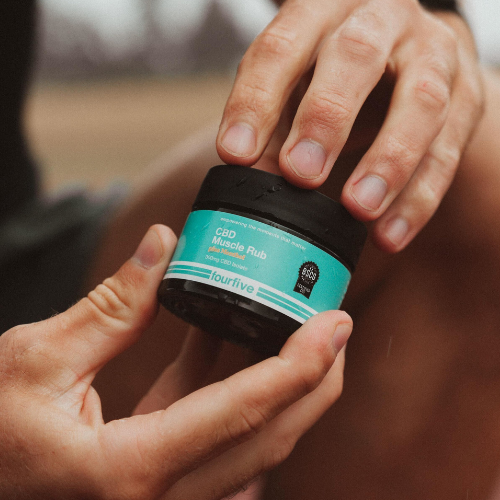
Targeted relief: CBD muscle rubs directly on problem areas
-
Sleep optimization: 25mg CBD capsules 60 minutes before bed
Olympic gymnast Becky Downie shares her experience: “CBD changed my recovery completely. I’m sleeping deeper, waking up less sore, and maintaining training intensity throughout competition season.”
The World Anti-Doping Agency removed CBD from prohibited substances in 2018, recognizing its legitimate therapeutic value. Just ensure your source guarantees zero THC through rigorous testing—like ours does.
Functional Mushroom Extracts: Ancient Wisdom Meets Modern Science
Mushrooms for athletes? Absolutely.
Cordyceps militaris increases VO2 max by 11% according to research from the University of North Carolina. Lion’s Mane enhances cognitive function during fatigue states. Reishi modulates cortisol response to training stress.
These aren’t mystical claims. They’re measurable, reproducible effects documented in peer-reviewed journals. The key lies in standardized extracts with guaranteed beta-glucan content—the bioactive compounds driving these benefits.
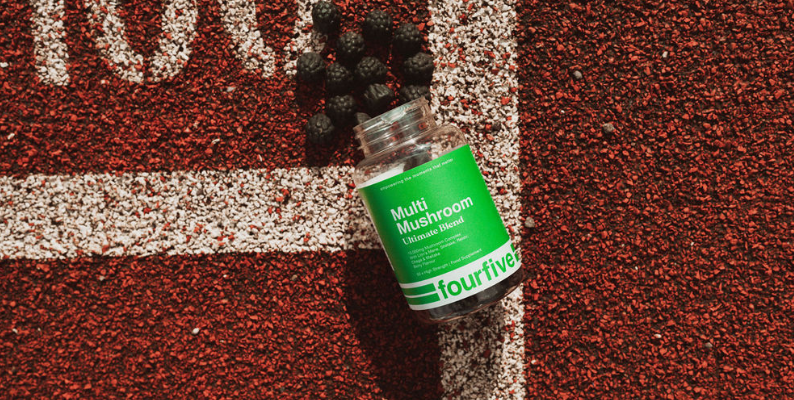
Our functional mushroom complex combines:
-
Cordyceps (4000mg): Aerobic capacity and ATP production
-
Lion’s Mane (4000mg): Energy and focus
-
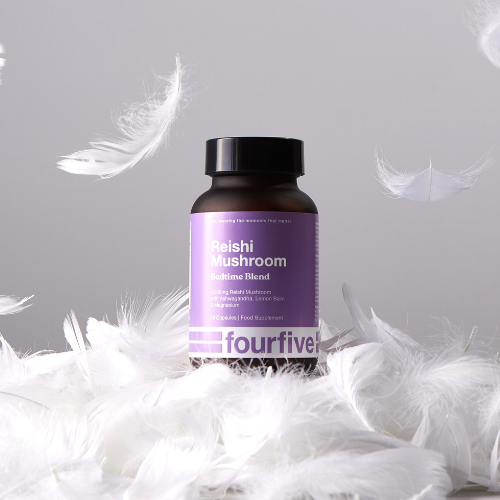
Reishi (4000mg): Sleep support and stress adaptation
Marathon runner Stephanie Davis noticed dramatic changes: “My energy stays consistent through long runs. No more hitting the wall at mile 20. Recovery between training sessions dropped from 48 to 24 hours.”
Essential Vitamins and Minerals: The Overlooked Fundamentals
Sexy? No. Essential? Absolutely.
Exercise depletes micronutrients faster than most athletes realize. Vitamin D deficiency affects 77% of athletes training indoors. Zinc losses through sweat can reach 3mg daily. B-vitamin requirements double during intense training phases.
Strategic supplementation targets these gaps:
-
Vitamin D3 (2000-4000 IU): Muscle function, immunity, hormone production
-
Zinc (15-25mg): Protein synthesis, immune function, testosterone support
-
Iron (8-18mg, especially for female athletes): Oxygen transport, energy production
-
B-Complex: Energy metabolism, red blood cell formation
Quality matters enormously here. Chelated minerals absorb 3-5 times better than oxide forms. Methylated B-vitamins bypass genetic variations affecting 40% of the population.
Omega-3 Fatty Acids: Cellular Recovery at Scale
Every cell membrane in your body contains omega-3s. Damage those membranes during training? Omega-3s rebuild them stronger.
The International Olympic Committee recommends 2-4g EPA/DHA daily for athletes. Research shows this dose reduces muscle soreness by 15%, improves reaction time by 8%, and accelerates return to baseline strength following eccentric exercise.
Plant-based athletes aren’t excluded. Algae-derived omega-3s provide identical EPA/DHA without fish oil’s environmental concerns or digestive issues.
Protein and Plant-Based Amino Acids: The Building Blocks
Protein timing matters less than total intake, but strategic supplementation fills crucial gaps.
Essential amino acids (EAAs) stimulate muscle protein synthesis more efficiently than whole proteins. Leucine specifically triggers mTOR pathways driving muscle growth. Plant-based options from pea, rice, and hemp match whey’s amino acid profile when properly combined.
Target intake:
-
Post-workout: 20-30g complete protein or 10g EAAs
-
Pre-sleep: 20g casein or plant-based slow-release blend
-
During endurance: 5-10g BCAAs to prevent muscle breakdown
Topical Recovery Solutions: Direct Action Where You Need It
Sometimes systemic supplementation isn’t enough. Targeted topical applications deliver active compounds directly to problem areas.
Our muscle rubs combine CBD with menthol, arnica, and capsaicin for multi-modal relief. Joint gels add glucosamine and MSM for structural support. The transdermal delivery bypasses digestive limitations while providing immediate sensory feedback.
Professional footballer Lucy Bronze uses this approach: “I apply muscle rub immediately post-match on any areas feeling tight. By morning, I’m ready for recovery training instead of physio treatment.”
Choosing Your Personal Recovery Protocol
Your optimal supplement strategy depends on multiple factors:
Training Volume and Intensity High-volume endurance athletes need aggressive electrolyte replacement. Power athletes benefit more from protein and creatine. Mixed-modal training requires comprehensive coverage.
Individual Response Patterns Some athletes are heavy sweaters losing 2-3L per hour. Others barely perspire but experience severe muscle damage. Track your patterns through training logs and biomarkers.
Dietary Foundations Supplements complement, never replace, whole food nutrition. Vegans need B12 and potentially iron. Keto athletes require different electrolyte ratios. Your baseline diet shapes supplementation needs.
Recovery Windows Immediate post-workout? Focus on rapidly absorbed options. Overnight recovery? Slow-release formulations work better. Competition season versus off-season demands different approaches entirely.
Start with fundamentals—hydration and protein. Add targeted solutions based on specific challenges. Monitor response through performance metrics, not just subjective feeling.
Common Questions Athletes Ask
How quickly should I consume supplements post-workout? The “anabolic window” is more flexible than previously thought. Prioritize hydration immediately, protein within 2-4 hours, and other supplements based on individual timing preferences. Consistency matters more than perfect timing.
Can I take multiple recovery supplements together? Most recovery supplements work synergistically. Electrolytes enhance amino acid uptake. Vitamin C improves iron absorption. CBD and omega-3s both reduce inflammation through different pathways. Just avoid calcium with iron, and space out high-dose minerals.
Are there risks to over-supplementation? Fat-soluble vitamins (A, D, E, K) can accumulate. Excessive protein stresses kidneys in susceptible individuals. Iron overload is dangerous. Work with sports nutritionists to establish safe, effective protocols. More isn’t always better.
How do I know if supplements are actually working? Objective metrics tell the truth. Track recovery heart rate, power output, sleep quality, and inflammatory markers like CRP. Subjective measures (soreness scales, energy ratings) provide additional context. Give protocols 4-6 weeks before evaluating effectiveness.
Should I cycle supplements or take them continuously? Depends on the compound. Adaptogens like mushrooms benefit from periodic breaks. Electrolytes and protein remain constant needs. CBD tolerance doesn’t develop significantly. Vitamins and minerals should maintain steady levels. Periodize supplementation with training phases.
Your Recovery Journey Starts Now
Recovery isn’t passive anymore. It’s an active, strategic process that separates good athletes from great ones.
The supplements we’ve explored aren’t magic bullets. They’re tools—scientifically validated, professionally trusted tools that amplify your body’s natural recovery processes. Combined with smart training, quality nutrition, and adequate rest, they transform how quickly you bounce back.
We’ve built our entire supplement line around these principles. Lab-tested purity. Athlete-informed formulation. Vegan and cruelty-free ethics. Because recovery should enhance your life, not complicate it.
Your next personal best isn’t just about training harder. It’s about recovering smarter. The science is clear, the tools are available, and your potential is waiting.
Ready to revolutionize your recovery? Explore our complete range of hydration, CBD, and functional supplements. Because tomorrow’s performance depends on today’s recovery choices.
Sources
British Journal of Sports Medicine 2023 Meta-Analysis - Comprehensive review of recovery supplement efficacy in athletic populations, published March 2023
International Society of Sports Nutrition Position Stand - Evidence-based recommendations for hydration and recovery supplementation, updated 2023
European Journal of Pain CBD Research - Clinical studies on CBD’s anti-inflammatory effects in exercise recovery, published 2022
University of North Carolina Cordyceps Study - Research on functional mushrooms and VO2 max improvements in trained athletes, 2023
World Anti-Doping Agency CBD Guidelines - Official position on CBD use in competitive sport, updated 2023
International Olympic Committee Nutrition Consensus - Comprehensive guidelines on omega-3 supplementation for Olympic athletes, 2023
Dr. Susan Kleiner Hydration Research - Studies on dehydration’s impact on athletic performance, University of Washington, 2022


