



















GLP-1 medications like Ozempic, Wegovy and Mounjaro are coming up more and more in conversations around weight loss.
For some people, they appear to make it easier to reduce food intake, leading to a reducing in body weight. However we are still understanding the full effect of these medications, and short and longer-term effects aren’t fully understood.
What tends to get less attention is what happens alongside that drop in appetite.
When overall food intake decreases, it doesn’t just affect calories. It often means less protein, fewer electrolytes, and a lower intake of nutrients that support how the body functions day to day.
That shift can influence how people feel during the process, as well as how the body responds to weight loss itself.
It’s Not Just “Eating Less”
In practice, most people don’t just eat slightly less. It’s usually a noticeable change.
Meals become smaller or less frequent, and fullness tends to come on quickly. Over time, that can make it harder to consistently cover the basics without being more intentional about it.
Common patterns include:
- Protein intake gradually dropping
- Hydration not quite being maintained
- Energy levels dipping across the day
Individually these may seem minor, but together they can leave people feeling flatter than expected.
Where Muscle Comes Into It
With any weight loss phase, body composition still matters.
In a calorie deficit, the body may draw on both fat and muscle tissue, particularly if protein intake is low and resistance training is limited.
Lean mass plays an important role in strength, recovery, metabolic function, and overall physical performance. Losing too much of it can affect not just how someone looks, but how they feel and function day to day.
For that reason, maintaining muscle is generally considered an important part of a more balanced approach to weight loss.
Why Some Structure Helps
Ideally, nutritional needs would be met through food alone.
However, when appetite is reduced, consistency becomes more difficult. Intake can vary day to day, and key areas like protein and hydration are often the first to drop off.
This is where a small amount of structure can be useful. Not a complex routine, just covering a few key areas:
- Hydration
- Protein intake
- Support for muscle and energy
The aim is not to add unnecessary layers, but to maintain a more stable baseline.
Electrolytes Are Often Overlooked
Hydration is not just about fluid intake. Electrolytes such as sodium, potassium and magnesium play a key role in fluid balance, nerve function and energy levels.
When food intake drops, electrolyte intake often drops with it. Combined with lower carbohydrate intake, which affects water retention, this can leave people feeling slightly off.
It may present as:
- Low-level fatigue
- Headaches
- Lightheadedness
- Reduced focus
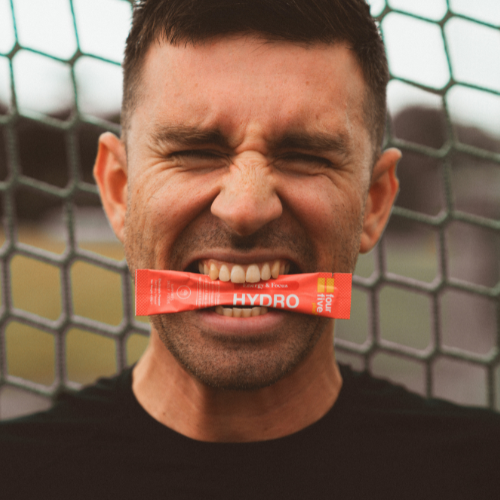
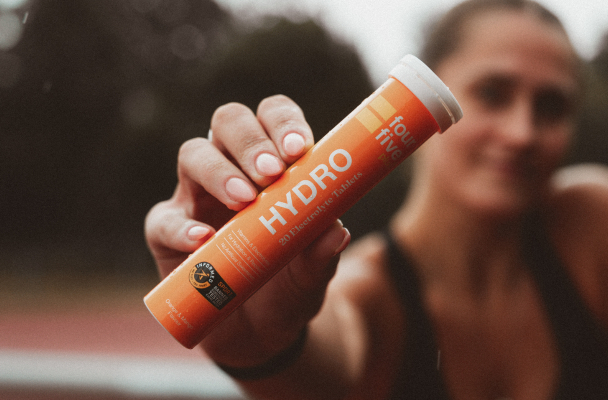
Maintaining electrolyte balance can help support normal hydration in these situations. Products like Fourfive Electrolytes are one practical option some people use to keep intake consistent.
Creatine and Lean Mass Support
Creatine is widely known for its role in performance, but its relevance extends beyond training blocks.
Creatine can be used to support strength and help maintain lean mass, particularly when taken alongside resistance exercise.
It also contributes to cellular energy production, both physical and mental, which can be relevant when overall calorie intake is lower.
Fourfive Creatine is a simple option for those already considering creatine as part of their approach providing the researched dose of creatine (5g).
Protein Still Needs Attention
Even with additional support in place, protein intake is often the most challenging area to maintain.
This is rarely due to lack of awareness, but more often reduced appetite.
In practice, this tends to come down to making protein easier to consume and spreading intake across the day where possible.
Keeping protein levels from dropping too low is generally considered important for maintaining lean tissue during weight loss.
Keeping the Approach Grounded
For those using appetite-altering approaches to weight loss, it can be helpful to keep the focus on a few fundamentals:
- Maintaining hydration
- Supporting consistent protein intake
- Including resistance training where possible
- Supporting muscle and energy where needed
This does not need to be complex. In many cases, consistency with these basics is what makes the difference.
Final Thought
This is still a developing area, and understanding continues to evolve.
Regardless of the approach taken, the body’s underlying requirements remain the same. It still needs adequate nutrition, hydration and support to function well.


